
The course Sexual Health and Counselling in Prostate Cancer (IPODE) (IPOP03APR26) is not published and is not open for registration.
All Courses
Download the latest calendar (pdf)
Learning Pathway
Discover funding options available to you.
Results: 31

|
This course focuses on teaching health care professionals how to recognize and assess the impact of grief and loss on their practice, and apply effective communication and coping mechanisms to reduce the risk of empathy fatigue.
|
13 hours
$604 CAD
|

|
This course is designed for participants who are already familiar with the WHO ladder for pain management. Participants will learn the pathophysiology of cancer pain, cancer pain syndromes, pharmacological and non-pharmacological interventions for intractable pain in palliation and how to conduct educational and advocacy work.
|
24 hours
$680 CAD
|
|
Reviews foundational knowledge and concepts in cancer, current treatments and common side effects. It also addresses some of the issues that cancer patients face: sexuality and survivorship. The content is tailored to the needs of clinicians who look after cancer patients in general hospitals and in the community.
|
25 hours
$604 CAD
|

|
This two-part course is part of the de Souza Expert Facilitator designation program. This course is designed to help RNs interested in facilitating the Provincial Standardized Chemotherapy and Biotherapy course.
|
6.5 hours
|
|
|
This two-part course is part of the de Souza Expert Facilitator designation program. This course is designed to help RNs interested in facilitating de Souza Institute's Provincial Standardized Chemotherapy and Biotherapy (PSCB) course in their local organization, who meet the eligibility criteria, become expert facilitators.
|
24 hours
|
|
Designed for nurses to review their practice and receive up-to-date new information in chemotherapy and biotherapy on an annual basis. Provincial Standardized Chemotherapy and Biotherapy is a prerequisite.
|
5 hours
$295 CAD
|
|
The de Souza Gerontology Study Group offers preparatory work to assist independent adult learners as they study to write the CNA Gerontology exam. Participants will examine theories and concepts in order to achieve specific competencies as outlined in the CNA exam study guide blueprint.
|
20 hours
$575 CAD
|
|
The de Souza Hospice Palliative Care Study Group offers preparatory work to assist independent adult learners as they study to write the CNA Hospice Palliative Care exam. Participants will examine theories and concepts in order to achieve specific competencies as outlined in the CNA exam study guide blueprint.
|
20 hours
$575 CAD
|
|
A preparatory program to assist independent adult learners preparing to write the CNA Oncology Certification Exam. Within this course you will examine, critically consider and apply the theories and concepts outlined in the CNA Oncology exam blueprint. The exam blueprint outlines the core oncology competencies of an oncology nurse with at least two years of experience in the specialty.
|
27 hours
$720 CAD
|

|
This online course provides an overview of chemotherapy and biotherapy for health care professionals who work in the community setting. The content covers classifications and agents, routes of administration, adverse effects, administration complications, and safe handling practice standards, and highlights their implication for community care.
|
10 hours
$455 CAD
|
|
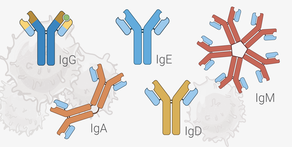
Complex Malignant Hematology covered in this course will include leukemia, lymphoma, multiple myeloma and aplastic anemia. Many patients with CMH will benefit from stem cell transplant (HCT) requiring specialized facilities and a well-trained team of specialized healthcare providers.
|
40 hours
$958 CAD
|

|
Do you find it difficult to carry out conversations about end-of-life care? Learn how to discuss the sensitive topics of life-sustaining interventions, how to assess and manage the physiological changes of dying, and how to help patient, family, and care team to cope with loss, grief, and bereavement. This course is the third course in our Education in Palliative Care (EPC) Course Series.
|
9 hours
$455 CAD
|

|
Introduces the art and science of oncology practice. Fundamental concepts of cancer care will be presented for those who work with cancer patients. Insight into the four most common types of cancer: breast, lung, prostate and colorectal will be offered. The content is optimized for nurses and is open to other regulated health care professionals.
|
40 hours
$868 CAD
|
|
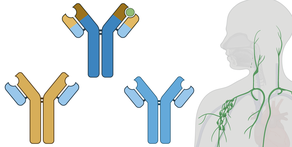
Provides essential concepts for assessment, care and management in leukemia (including MDS), lymphoma, multiple myeloma. There are 14 modules in total. Within each specific disease site, there will be a review of fundamental information related to oncology practice as well as a case study to consolidate learning through application.
|
13.5 hours
$455 CAD
|
|
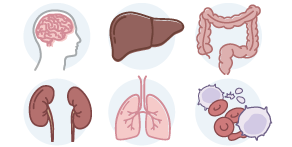
The Foundations of Cancer Disease Sites Series covers cancer care competencies in managing a variety of disease sites. Specific cancer types are separated into short courses to help you enhance knowledge in the areas of oncology nursing practice you want to focus on.
|
3-5 hours
$168-233 CAD
|

|
Establish the fundamental skills required for effective leadership in health care. This course is offered through the Michener Institute Continuing Education program and is recognized for de Souza Designation credits.
|
48 hours
|

|
Examines common individual and family experiences across the illness trajectory from a theoretical, empirical and clinical perspective in order to understand and assess distress and coping from a family centered standpoint. The course draws on a case-based, narrative format and provides opportunities to learn in small groups of interprofessional learners.
|
48 hours
$1008 CAD
|

|
This course will help participants learn how to find evidence based information and best practices to help inform clinical practice. Participants will learn how to carry out a systematic search process and analyze clinical literature for its quality, impact, and applicability in practice. Participants will then apply the learning to address their own clinical questions to support optimal care.
|
14 hours
$604 CAD
|

|
Provides a comprehensive review of screening, assessment and management of psychosocial distress. Depression and anxiety in adults with cancer is based on the 2015 Pan-Canadian Practice Guidelines. (www.capo.ca).
|
10 hours
$455 CAD
|
|
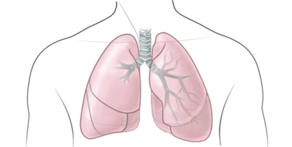
Promotes an evidence-based wholistic approach to dyspnea care by increasing knowledge about dyspnea, and its assessment and treatment. This course was created in collaboration between Cancer Care Ontario (CCO) and de Souza Institute.
|
7 hours
$301 CAD
|

|
This is a facilitator training course for health care professionals wishing to deliver educational intervention - the Taking Charge Program - on healthy lifestyle changes for women who have completed active treatment (surgery, chemotherapy, radiation) for breast cancer.
|
|
|
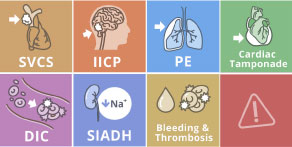
This course will teach nurses working in cancer care the fundamentals of additional oncologic emergencies: Disseminated Intravascular Coagulation, Syndrome of Inappropriate Antidiuretic Hormone Excretion, Bleeding and Thrombosis, Superior Vena Cava Syndrome, Cardiac Tamponade, Increased Intracranial Pressure, and Pleural Effusion
|
8 hours
$301 CAD
|
|
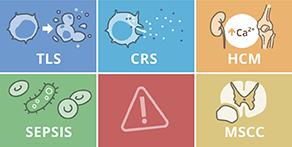
This course will teach nurses working in cancer care the fundamentals of five oncologic emergencies: Tumour Lysis Syndrome, Hypercalcemia, Spinal Cord Compression, Cytokine Release Syndrome, and Febrile Neutropenia and Sepsis.
|
5 hours
$233 CAD
|

|
Our Patient Navigation course is designed to help Health care providers apply principles of navigation throughout the cancer care continuum. Our case studies will help support knowledge application in care coordination, communication, patient teaching and education. The importance of improving access for indigenous communities, ethno-cultural and gender groups is emphasized
|
28 hours
$680 CAD
|

|
This online course will not only introduce the MASCC Oral Agent Teaching Tool but will also cover safe handling precautions when administering and caring for patients receiving oral chemotherapy and biotherapy agents, and three common oral chemotherapy and biotherapy agents seen in practice.
|
5 hours
$301 CAD
|

|
Builds nursing knowledge and skills in holistic, standardized chemotherapy, and biotherapy administration. Participants must be Registered Nurses with vascular access device competence.
|
35 hours
$886 CAD
|

|
Provides a comprehensive introduction to the principles, practices and roles involved in radiation therapy with a focus on the role of the radiation oncology nurse. Using an evidence-based approach, participants will learn how to assess and manage common side effects as well as site specific adverse effect patients experience during RT. A complete radiation therapy workflow is described.
|
13 hours
$455 CAD
|
|
Focuses on understanding sexual health issues that arise in cancer care and developing assessment and psycho-education skills.
|
24 hours
$680 CAD
|
|
The Sexual Health and Counselling in Prostate Cancer course is designed to equip health care professionals with the skills and knowledge necessary to deliver sexual health support to men and their partners impacted by prostate cancer. Education, support, and guidance in the development of future prostate cancer specific sexual health programs are also addressed.
|
40 hours
$795 CAD
|

|
Symptom management is a core skill in palliative care that improves the quality of life of patients living with serious illnesses and reduces suffering. Learn to assess and manage four symptoms commonly experienced by patients in palliative care: pain, delirium, nausea and vomiting, and dyspnea. This course is the second course in our Education in Palliative Care (EPC) Course Series.
|
9 hours
$455 CAD
|
|
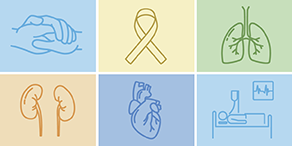
Do you provide care for patients living with serious illnesses, such as cancer, lung disease, heart failure, or kidney disease? Take this first course in our Education in Palliative Care (EPC) Course Series to integrate the palliative approach to care into your practice. With palliative care support, patients report fewer symptoms, better quality of life, and greater satisfaction with their care.
|
18 hours
$604 CAD
|